
Nudge Security delivers SaaS security posture management (SSPM) as part of a complete SaaS security and governance solution.













Common questions about Nudge Security's SSPM solution

SaaS Security Posture Management (SSPM) is the practice of continuously monitoring, assessing, and improving the security posture of an organization’s SaaS applications. Unlike traditional security approaches that focus on networks or endpoints, SSPM centers on SaaS-specific risks such as misconfigurations, excessive permissions, unmanaged accounts, OAuth integrations, and identity sprawl. An effective SSPM program provides visibility into how SaaS apps are configured, who has access to what data, and where security gaps could expose sensitive information.
As organizations increasingly rely on SaaS for core business operations, risk shifts from infrastructure to identities, permissions, and integrations. Employees can grant third-party access, create unmanaged accounts, or misconfigure security settings without IT awareness. These risks are largely invisible to traditional security tools. SSPM is critical because it addresses this reality—helping organizations prevent data exposure, reduce attack surface, and maintain consistent security controls across hundreds or thousands of SaaS applications.
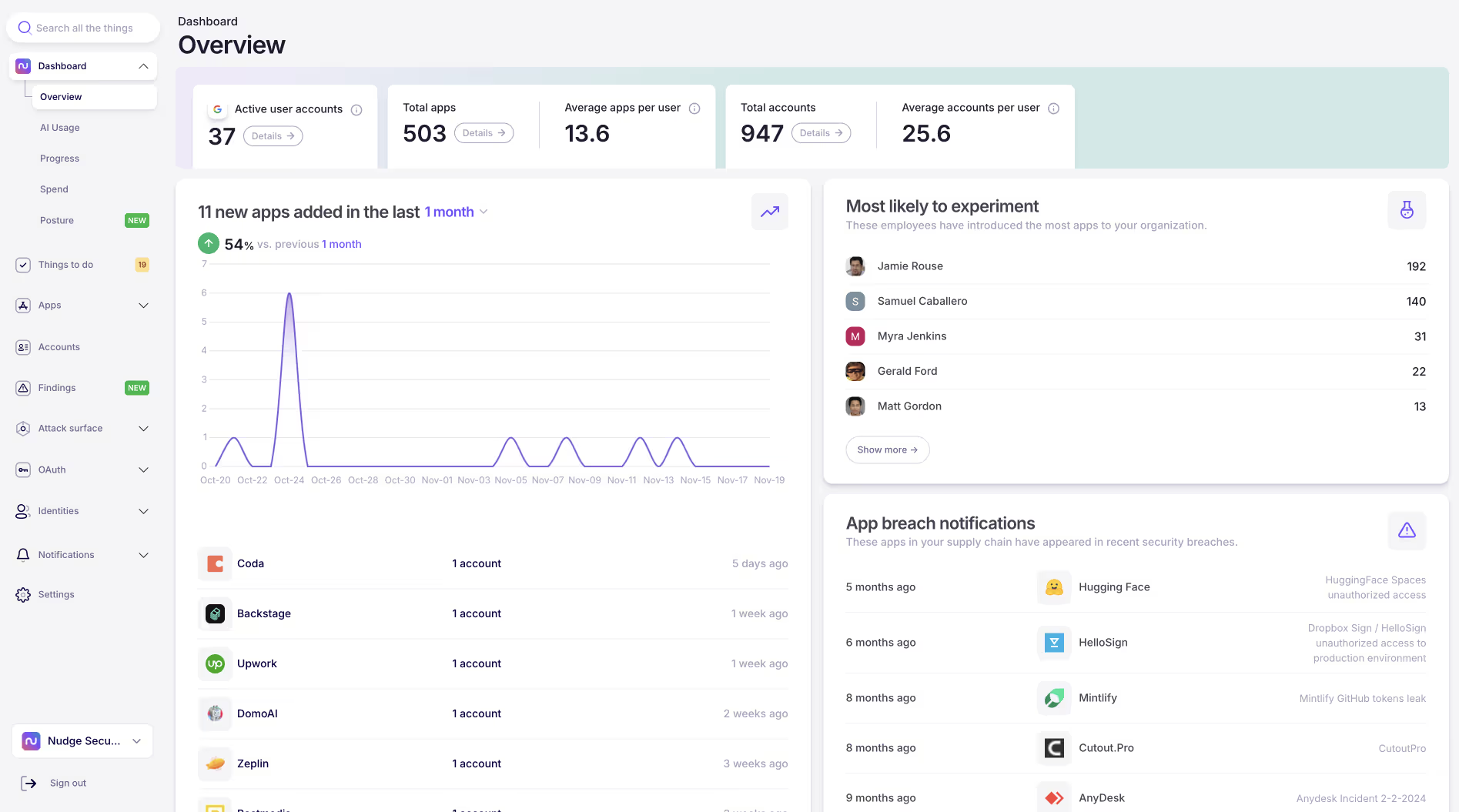
Nudge Security takes a discovery-first, SaaS-native approach to SSPM. Instead of requiring agents, APIs for every app, or heavy configuration, Nudge starts by automatically discovering all SaaS applications, identities, and integrations in use. From there, it layers on risk insights, posture checks, and remediation workflows. This ensures SSPM is grounded in a complete, real-world SaaS inventory—covering both managed and unmanaged apps—rather than a partial or idealized view.
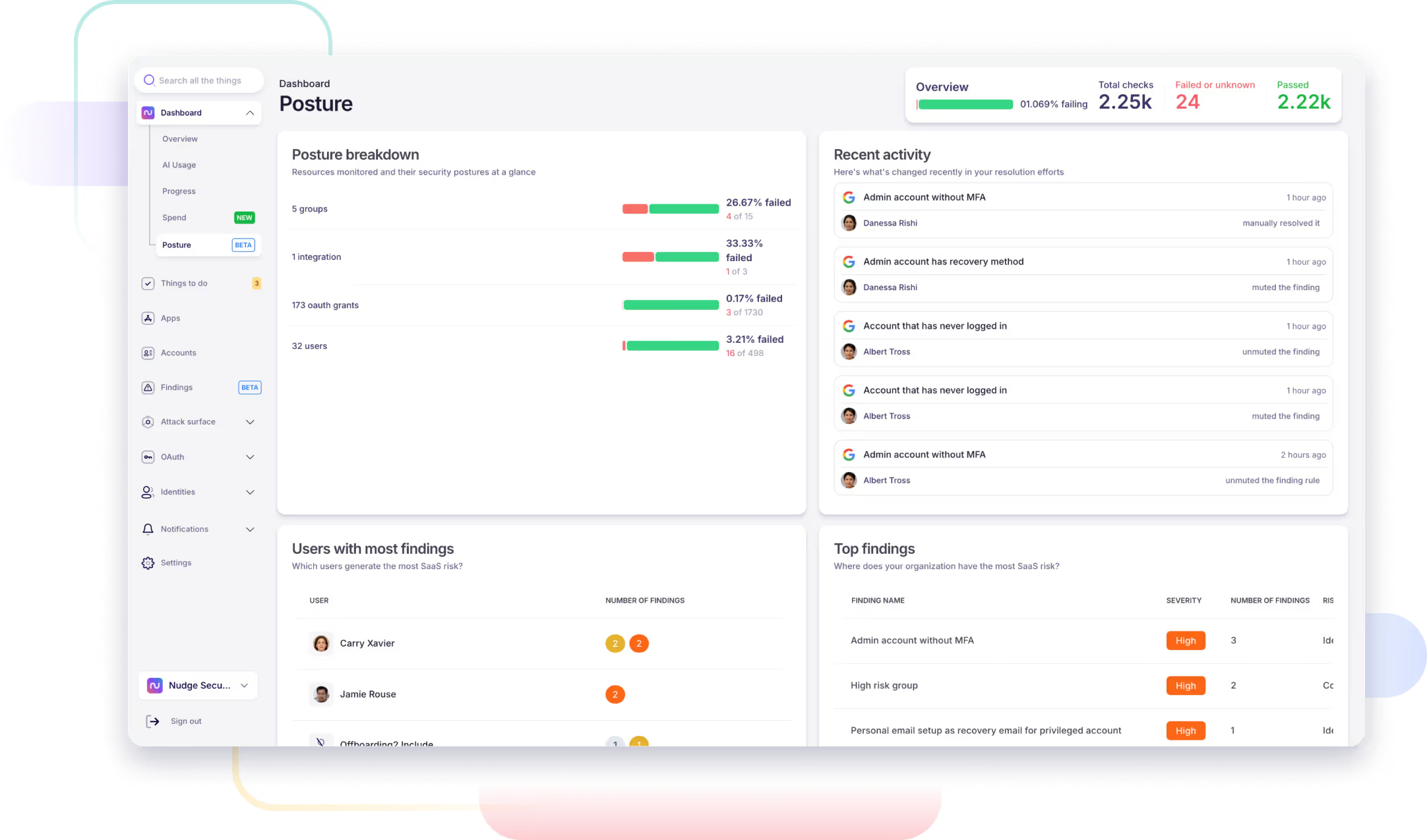
Nudge helps identify the most common and impactful SaaS security risks, including excessive user privileges, unused or orphaned accounts, risky OAuth grants, weak authentication settings, shadow SaaS applications, and unmanaged third-party integrations. It also surfaces misconfigurations and access patterns that could allow lateral movement or data exposure. By tying these risks back to real users and apps, teams can prioritize remediation effectively.
SSPM and IAM are closely connected. In SaaS environments, identity is the new perimeter—most breaches stem from compromised credentials or excessive access rather than network flaws. Nudge Security connects SSPM insights directly to identities, showing which users, service accounts, or integrations have access to which apps and data. This allows teams to enforce least privilege, clean up stale access, and manage identity risk across the entire SaaS ecosystem.
Yes. Shadow SaaS is a foundational SSPM challenge, because you can’t secure what you can’t see. Nudge automatically discovers SaaS applications and accounts adopted outside of IT oversight, including free trials and unsanctioned tools. These apps are then included in posture monitoring and risk analysis, allowing organizations to either bring them under management or remediate associated risks.
Organizations typically see value almost immediately. Within minutes of deployment, Nudge begins populating a complete SaaS inventory. Shortly after, it surfaces risky configurations, unused access, and high-risk integrations. Many teams identify critical security gaps or quick remediation opportunities within days, enabling faster risk reduction without long implementation cycles.
Nudge goes beyond visibility by enabling action. The platform provides guided playbooks and workflows for remediating common SaaS risks, such as removing unused accounts, revoking risky OAuth permissions, or enforcing security best practices. Automation and notifications help teams continuously improve posture over time, rather than treating SSPM as a one-time audit.
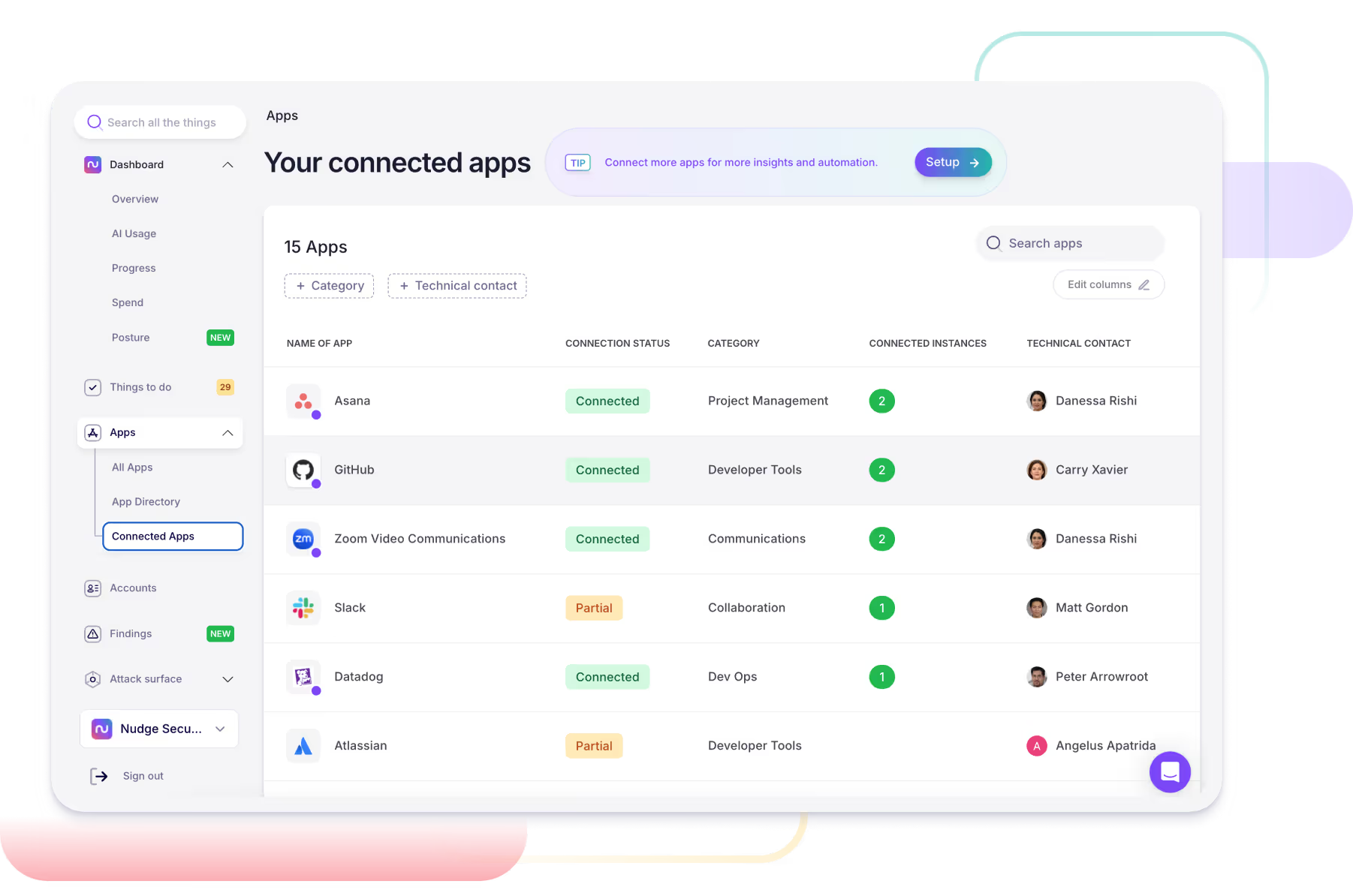
SSPM provides the evidence and controls needed to support compliance frameworks that require strong access management, vendor oversight, and data protection. Nudge maintains a continuously updated inventory of SaaS apps, users, permissions, and integrations, making it easier to demonstrate control during audits. Historical data, posture insights, and remediation records help reduce manual effort and audit stress.
Best practices include continuous SaaS discovery, enforcing least-privilege access, monitoring OAuth and third-party integrations, removing unused or stale accounts, and maintaining shared visibility across security, IT, and compliance teams. Nudge enables these practices by automating discovery, centralizing SaaS posture insights, and providing workflows to operationalize remediation—turning SSPM into an ongoing, scalable program rather than a reactive effort.